

Have you ever heard someone say, “Let’s blow this popsicle stand”? It sounds funny the first time you hear it. It might even sound a little strange. But this phrase has been part of everyday English for many decades, and people still use it today.
In this article, we will look at what the phrase means, where it came from, and how you can use it in your own conversations. We will also share examples, similar phrases, and simple memory tricks to help you remember it.
What Does “Blow This Popsicle Stand” Mean?
“Blow this popsicle stand” simply means “let’s leave this place.” It is a casual, playful way to say goodbye to a location. People usually say it when they feel bored, tired, or ready to move on to something better.
The phrase does not have anything to do with real popsicles or real stands. It is an idiom, which means the words together create a meaning that is different from their literal meaning. Think of it like saying “it’s raining cats and dogs.” No cats or dogs are actually falling from the sky.
Here is a simple breakdown of the phrase:
| Word/Phrase | Literal Meaning | Idiomatic Meaning |
| Blow | To exhale air | To leave quickly |
| This | Refers to current place | The place you are in now |
| Popsicle stand | A small food stall | Any boring or unwanted place |
This phrase has a light, humorous tone. It is not rude or negative. People use it in a fun, easygoing way among friends and family.
Where Did This Saying Come From?
The exact origin of “blow this popsicle stand” is not fully clear, but most language experts trace it back to American slang from the 1950s and 1960s. During this time, “popsicle stands” were small roadside stalls that sold frozen treats to kids and families.
The word “blow” had already been used as slang for “leave” long before this phrase became popular. Old jazz musicians in the 1930s and 1940s used “blow” to mean “depart” or “go away.” Over time, people combined this slang word with the image of a small, simple popsicle stand to create a catchy, funny phrase.
By the 1970s and 1980s, the phrase had become common in American movies, television shows, and everyday talk. It gave off a light, carefree feeling, almost like something a teenager or a cool character in a film would say.
A few points about its history:
- It became widely known through pop culture, especially TV and film from the 1970s onward.
- The number of decades it has survived (over 6 decades) shows how strong and memorable the phrase is.
- It was never meant to be formal. It started as slang and remains slang today.
How to Use It in Conversation

You can use “blow this popsicle stand” in casual conversations when you want to leave a place. It works best with friends, family, or people you know well. It is not the type of phrase you would use in a formal meeting or a business email.
Here are a few situations where it fits naturally:
- At a boring party when you want to go home
- After finishing a meal at a restaurant
- When leaving work at the end of the day
- During a trip when you are ready for the next stop
The tone of the phrase is positive and playful, not negative or angry. Even if you are leaving because you are bored, the phrase keeps things light instead of sounding rude. That said, it can carry a slightly negative undertone too, since it often hints that the current place is dull or uninteresting.
Examples in Everyday Life
Idioms make more sense when you see them used in real situations. Below are some simple examples that show how natural this phrase sounds in daily conversation.
Correct Usage Examples
Here are some examples of the phrase used the right way:
- “This movie is so boring. Let’s blow this popsicle stand.”
- “The meeting is finally over. Time to blow this popsicle stand!”
- “I’m tired of standing in this line. Ready to blow this popsicle stand?”
- “It’s already 10 p.m. Let’s blow this popsicle stand and head home.”
Notice that in each example, the phrase replaces a simple sentence like “let’s leave” or “let’s go.” It adds humor and personality to an otherwise plain statement.
Blow This Popsicle Stand Origin

As mentioned earlier, the roots of this phrase go back to mid-20th century American slang. The word “blow” was already common among musicians and city dwellers who wanted a quick, casual way to say “leave.”
Popsicle stands, meanwhile, were seen as small, simple, and sometimes a little unexciting places, especially compared to bigger attractions. Combining the two created a phrase that felt both funny and easy to picture. Even people who never saw an old-fashioned popsicle stand can imagine what one might look like.
Also Read This:Apposed vs Opposed
Language experts believe the phrase gained more attention through comedy writers and scriptwriters who wanted dialogue that sounded fun and natural for their characters. Once it appeared in a few popular shows, everyday people started picking it up too.
Using It in Writing
Because the phrase is casual, it fits best in informal writing. You might see it in:
- Text messages between friends
- Blog posts with a fun, conversational tone
- Dialogue in stories or scripts
- Social media captions
It is less common in formal writing like business reports, academic papers, or professional emails. If you want your writing to feel warm, human, and relatable, this phrase can be a great tool. But save it for the right audience and setting.
Context Variations
The phrase can shift slightly depending on the situation. Here are a few common variations people use:
| Variation | Meaning |
| “Let’s blow this popsicle stand” | Suggesting the group leave together |
| “Time to blow this popsicle stand” | Announcing it’s time to go |
| “I’m about to blow this popsicle stand” | Speaking about oneself leaving |
| “Ready to blow this popsicle stand?” | Asking someone if they want to leave |
These small changes let the phrase fit naturally into different types of conversations, whether you’re speaking to a group, announcing your own plans, or simply asking a question.
Is It Still Used Today?
Yes, people still use “blow this popsicle stand” today, though it is considered a bit old-fashioned or nostalgic. It often shows up in casual conversation among older generations, but younger people also use it sometimes, especially in a joking or ironic way.
You may also come across it in:
- Movies and TV shows with retro or comedic themes
- Memes and social media posts
- Casual chats between coworkers or friends
While it is not as common as newer slang, the phrase has not disappeared. It remains a fun and recognizable way to say “let’s go” with a bit of extra charm.
Similar Phrases for Leaving
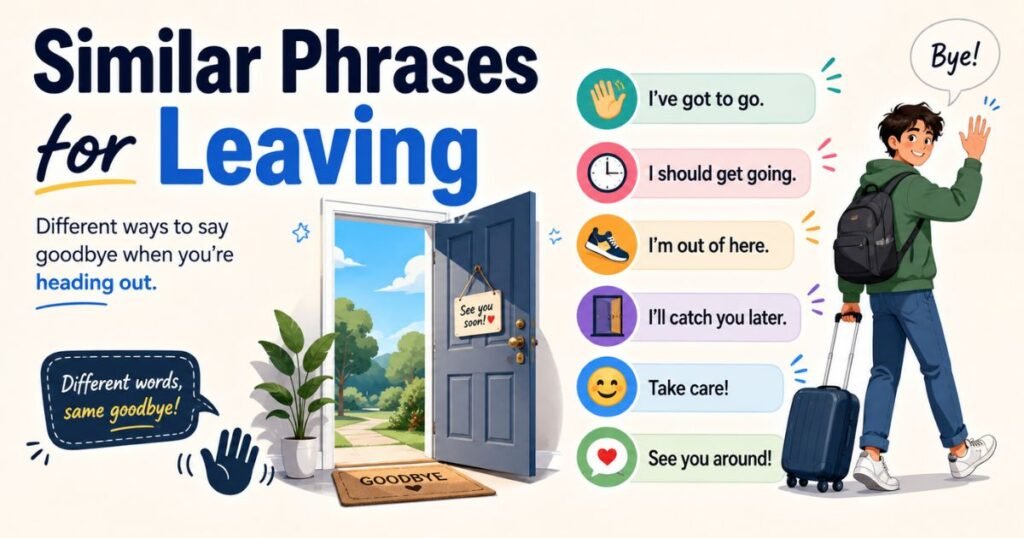
English has many fun idioms that mean the same thing: it’s time to go. Here are some popular alternatives:
- “Let’s hit the road”
- “Time to head out”
- “Let’s get out of here”
- “Let’s split”
- “Time to bounce”
- “Let’s roll”
- “Let’s make like a tree and leave”
Each phrase carries a similar meaning but has its own tone and personality. Some sound more modern, like “let’s bounce,” while others, like “blow this popsicle stand,” feel more retro and playful.
Memory Tricks for Remembering the Meaning
If you want to remember what “blow this popsicle stand” means, try these simple memory tricks:
- Picture a small popsicle stand on a hot summer day. Now imagine getting bored and walking away from it. That mental image connects directly to the phrase’s meaning.
- Remember that “blow” often means “leave” in slang, similar to phrases like “blow town.”
- Think of the phrase as a fun, old-school version of “let’s go.”
- Connect it to a movie or show scene where a character says it, since visual memory often sticks better than plain definitions.
Using these small tricks can help the phrase stick in your memory for good.
Conclusion
“Blow this popsicle stand” is a fun, friendly idiom that means “let’s leave this place.” It comes from American slang dating back to the mid-1900s and has stayed popular through pop culture for more than 60 years. While it works best in casual settings, it adds personality and humor to everyday conversations.
Whether you are chatting with friends, writing a casual blog post, or creating dialogue for a story, this phrase can add a playful touch to your words.
Final Thoughts
Idioms like “blow this popsicle stand” show how language can be creative, funny, and full of history. Even though the phrase started decades ago, it still finds its way into modern conversations, proving that some sayings never fully go out of style.
If you want your speech or writing to feel more natural and human, learning phrases like this one is a great place to start. It is a small addition, but it can make your communication feel warmer, friendlier, and more memorable.
Frequently Asked Questions
What does “blow this popsicle stand” mean?
It means “let’s leave this place.” It is a casual, playful way to suggest going somewhere else.
Is “blow this popsicle stand” rude?
No, it is not rude. It has a light and humorous tone, even when used to describe leaving a boring place.
Where did the phrase “blow this popsicle stand” come from?
It comes from American slang, likely from the 1950s and 1960s, when “blow” was already slang for “leave.”
Is “blow this popsicle stand” still used today?
Yes, though it is considered a bit old-fashioned. People still use it in casual talk, movies, and social media.
Can I use “blow this popsicle stand” in formal writing?
No, it works best in casual conversations, texts, and informal writing, not formal documents or business communication.
What are some phrases similar to “blow this popsicle stand”?
Similar phrases include “let’s hit the road,” “let’s bounce,” “let’s split,” and “time to head out.”
Why do people say “popsicle stand” instead of another place?
Popsicle stands were common, small, and slightly unexciting spots in the mid-1900s, which made the phrase feel relatable and funny.

Mubeen is a passionate writer and content creator who enjoys sharing useful, engaging, and easy-to-understand information. With a focus on well-researched and reader-friendly content, Mubeen aims to help readers discover valuable insights and reliable information.